Collecting Shohei Ohtani Cards: Is His Rookie a Smart Buy?
A collector's guide to Shohei Ohtani cards — how to start, which rookie set is which, budget ladders, spotting fakes, protecting what you buy, and how to build an Ohtani collection without overpaying.
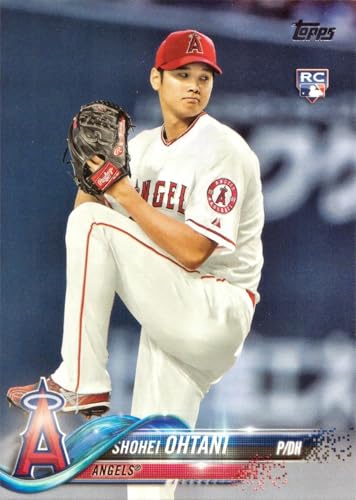
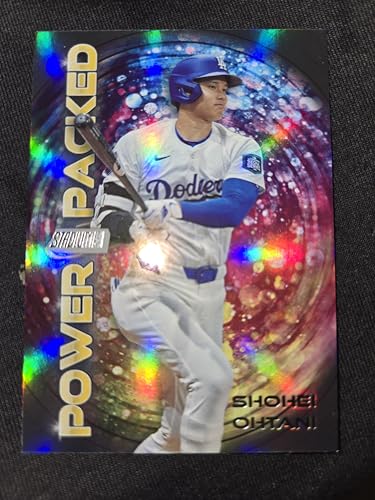

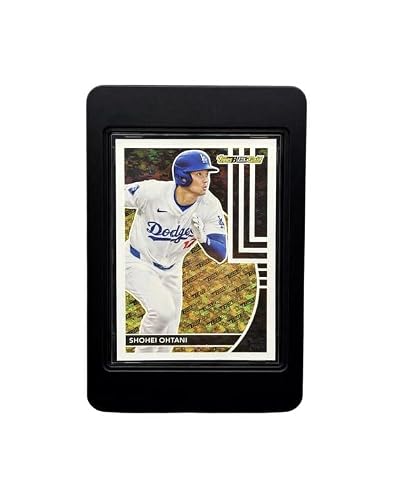
Shohei Ohtani is the rare player whose cards appeal to collectors worldwide — a two-way superstar (he pitches and hits at an elite level), a multiple-time MVP, and, since 2024, the face of the Los Angeles Dodgers. That combination drives one of the hobby’s deepest single-player markets. Here’s how to collect him without getting burned.
Pick a lane before you buy anything
The single most common mistake new Ohtani collectors make is buying at random. He has thousands of distinct cards; a shopping cart of unrelated singles becomes a pile, not a collection. Almost every serious Ohtani collector is really doing one of these four things:
- The rookie hunter. You want his 2018 rookie-era cards, full stop. Deepest demand, clearest resale, and the lane most people should start in. → Ohtani rookie cards
- The rainbow chaser. You pick one card and collect its parallels — base, refractor, colored/numbered tiers, up the ladder. Endless, satisfying, and it teaches you set structure fast. → refractors & parallels
- The moment collector. Print-to-order Topps Now cards tied to specific games and milestones. Cheap to start, genuinely fun, and dated to the night it happened. → Ohtani Topps Now
- The current-era collector. Everything since the 2024 Dodgers move. Newest, most available, and the easiest lane to keep current. → Dodgers-era Ohtani cards
Pick one. You can always add a second lane later — but a collection with a rule is worth more, and is far more enjoyable, than one without.
Is his rookie a smart buy?
Honest answer: maybe — but treat it as a collectible first, an investment second. The bull case is real: generational talent, global fan base, and a finite supply of 2018 rookie-era cards. The risk is equally real: card prices swing with on-field performance, injuries, and overall hobby sentiment, and there are no guarantees.
Rules that keep you safe:
- Buy against sold comps, never asking prices. See our card values guide for how to pull them.
- Prioritize grade and condition. A PSA 10 of a card is a very different asset from a raw copy — see PSA 10 vs raw.
- Only spend what you’re happy to own long-term if the market cools.
The three 2018 rookie sets you must be able to tell apart
Nearly every expensive Ohtani mistake starts here — someone pays a premium for the wrong 2018 card because three different sets get loosely called “the Ohtani rookie.” They are not the same thing:
| Set | What it is | How you spot it |
|---|---|---|
| 2018 Bowman Chrome | Base #1, and the Rookie Autograph BCRA-SO — the marquee grail chase | Bowman branding, chromium stock, RC logo present (he has no prospect-card era) |
| 2018 Topps Chrome | His true chromium rookie card — the refractor rainbow most collectors chase | Topps Chrome branding, chromium stock, RC logo present |
| 2018 Topps flagship | The paper rookie — base #700, plus Update RC #US1 (pitching); a related Update card, #US285 (batting), is cataloged separately | Standard paper stock, flagship design, RC logo present |
The trap here is the opposite of what most guides say. For nearly every star, a Bowman Chrome card is a prospect card without the RC logo. Ohtani signed with the Angels straight out of NPB in December 2017 and debuted the following March, so he never had a US prospect-card era: 2018 Bowman Chrome #1 is RC-flagged, and his signed card there is a Rookie Autograph, not a prospect auto. The one genuine pre-rookie card he has is 2017 Bowman Mega Box Chrome Prospects #BCP31, shot in a 2017 Japan WBC uniform — his first card in an MLB-licensed product, and explicitly not a rookie card. Read the set name, the card number and the logo, not the seller’s adjectives.
Full breakdowns of each: 2018 Bowman Chrome · 2018 Topps Chrome · 2018 Topps flagship.
A budget ladder that actually works
Rather than “cheap / mid / expensive,” think in rungs — each one teaches you something before you risk more:
- Rung 1 — learn the sets. Raw base cards from flagship, Bowman and current-year Dodgers issues. The point is to hold real cards, read the backs, and recognize designs on sight.
- Rung 2 — learn finishes. A plain Chrome or Stadium Club refractor. Now you can tell chromium from paper in a listing photo, which is a skill that saves money forever.
- Rung 3 — learn scarcity. Your first numbered parallel, with a serial printed on the card. Read the serial; never infer a print run from a color you think you recognize.
- Rung 4 — learn grading. One graded rookie, bought already slabbed. Buying the slab is almost always cheaper than learning grading on your own submission — run the numbers first with the grading ROI calculator.
- Rung 5 — the grail. An on-card autograph or a high-grade rookie refractor. By now you can read comps, spot a fake and match a parallel, which is exactly what this rung demands. → Ohtani autographs · most valuable Ohtani cards
Skipping rungs is how people overpay. Every rung you climb makes the next purchase safer.
How to spot fakes
Counterfeits cluster around his highest-value cards — rookie refractors, numbered parallels, and autographs. Protect yourself:
- Under magnification, genuine cards show a fine, even print-dot pattern; fakes often look blurry or have an irregular dot structure.
- Check the stock and back — wrong thickness, gloss, or coloring is a tell.
- For slabs, match the certification number to the grader’s database, and confirm the database photo matches the card in hand.
- For autographs, buy authenticated (PSA/BGS/SGC) or manufacturer-certified cards only.
- Trust your gut on price — a high-end card far below market is almost always too good to be true.
Five mistakes that quietly cost Ohtani collectors money
- Bidding against asking prices. An unsold listing at any number proves nothing. Only completed sales tell you the market.
- Comparing the wrong card. Match five things before you call something a comp: year, set and card number, parallel, serial, grade. Miss one and you’re pricing a different card.
- Ignoring centering. It’s the most common reason a card that looks flawless comes back a 9 instead of a 10 — check it yourself with the centering tool before you submit or overpay for “gem mint” raw.
- Grading cards that shouldn’t be graded. Fees plus shipping plus insurance can exceed what the grade adds on a common base card. Grading is for cards where the grade changes the market, not for every card you like.
- Cheap shipping on a real card. A grail in a plain envelope is a claim waiting to happen. Insist on tracked, rigid packaging — and send the same way.
Protect what you buy
The hobby’s cheapest insurance, in order: penny sleeve first, then a rigid holder (toploader or a magnetic one-touch style case) for anything you care about, then an upright storage box or binder out of sunlight and away from humidity. Sleeve before the rigid holder, always — sliding a bare card into a toploader is how corners get dinged.
Once you own more than a handful, log them. Our collection value tracker keeps the list in your own browser and links each row straight to its sold comps.
How to actually buy on eBay
A five-second checklist that prevents most bad buys:
- Read the exact title — year, set, card number, parallel. Vague titles (“rare Ohtani rookie”) usually mean a common card.
- Look for the serial in the photos, not in the description. If a numbered parallel is claimed, the number is printed on the card.
- Check the seller’s feedback and whether the photos are of the actual card, not a stock image.
- Pull sold comps for the exact match before you bid — same year, set, card number, parallel, grade.
- Buy graded for anything expensive. The slab is what makes an Ohtani grail resellable later.
New to the whole catalog? Start with the complete Ohtani collector’s map, then come back and pick your lane.
Live Ohtani auctions ending soon
LIVEReal-time eBay auctions · bids shown are current · tap a card to bid on eBay
Browse every live “shohei ohtani rookie card” listing on eBay →
Find these cards on eBay
Singles, parallels, autos and graded slabs trade on eBay, not Amazon — these open live listings for each type. Always check recent sold comps before you bid.
Recommended Products for This Guide
2018 Topps Baseball #700 Shohei Ohtani Rookie Card
2018 Topps Baseball #700 Shohei Ohtani Rookie Card. Great value retail product perfect for casual collectors and pack rippers.
- Great retail value
- Multiple packs included
2025 STADIUM CLUB SHOHEI OHTANI POWER PACKED BASEBALL CARD REFRACTOR
2025 STADIUM CLUB SHOHEI OHTANI POWER PACKED BASEBALL CARD REFRACTOR. Great value retail product perfect for casual collectors and pack rippers.
- Great retail value
- Multiple packs included
2018 Topps Baseball #700 Shohei Ohtani Rookie Card Graded PSA 10 Gem Mint
2018 Topps Baseball #700 Shohei Ohtani Rookie Card Graded PSA 10 Gem Mint. Professionally graded and authenticated for guaranteed condition.
- Professionally graded
- Authenticated condition
Magnetic Sports Card Holder 35pt – Premium Trading Card Display Case with UV Protection & Slide-Lock Design by M1NT (M1NT Signature)
Magnetic Sports Card Holder 35pt – Premium Trading Card Display Case with UV Protection & Slide-Lock Design by M1NT (M1NT Signature). Essential supplies to protect and display your card collection.
- Protects your collection
- High quality materials